
Impact of Delhi Air Pollution on Rooftop Solar Performance
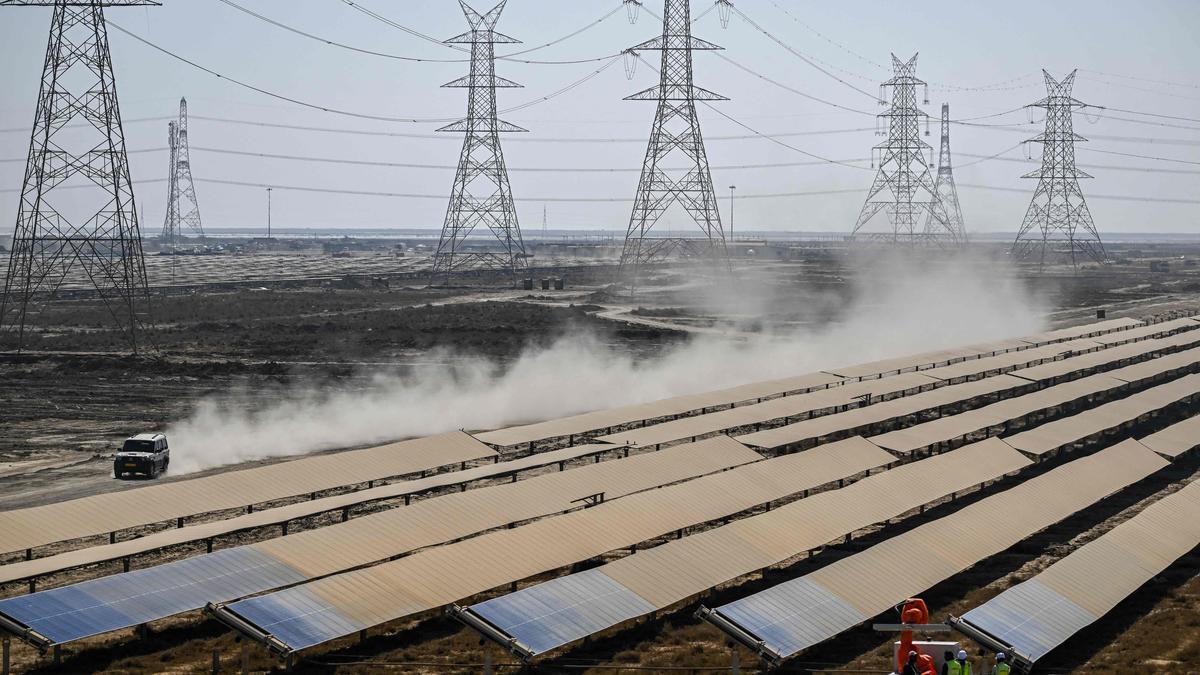
How dust, smog, and pollution reduce solar generation—and what homeowners can do about it
Delhi is one of India’s best cities for rooftop solar due to high sunlight availability. However, it is also one of the most polluted cities in the world. While many homeowners install solar systems expecting long-term savings, few realize how significantly air pollution impacts solar panel performance if proper maintenance is ignored.
This blog explains how Delhi’s pollution affects rooftop solar systems, how much power loss actually occurs, and what practical steps you can take to protect your solar investment.
How Rooftop Solar Panels Generate Power
Solar panels work by absorbing sunlight through photovoltaic (PV) cells. The more sunlight that reaches the panel surface, the more electricity is generated. Anything that blocks or scatters sunlight—such as dust, smog, or soot—directly reduces power output.
In clean environments, solar panels perform close to their rated capacity. In polluted cities like Delhi, performance depends heavily on cleanliness and maintenance.
Major Pollution Factors Affecting Solar Panels in Delhi
Delhi’s air pollution is a combination of multiple elements that continuously settle on rooftop solar panels:
1️⃣ Dust & Construction Particles
Ongoing construction, road dust, and open soil release fine particles that settle on panels daily. Even a thin dust layer can reduce generation by 5–10%.
2️⃣ Vehicular Emissions
Diesel and petrol emissions release carbon soot and oily residues that stick to panel surfaces, forming a stubborn layer that blocks sunlight.
3️⃣ Industrial Pollution
Industrial zones release fine ash and chemical particles that accumulate faster on rooftops, especially in mixed residential-industrial areas.
4️⃣ Seasonal Smog (October–January)
During winter, smog forms a dense atmospheric layer that reduces sunlight intensity itself—combined with dust-covered panels, this causes severe generation loss.
How Much Solar Power Is Lost Due to Pollution?
Based on real-world observations in Delhi:
| Condition | Approx. Power Loss |
|---|---|
| Light dust (1 month) | 5–10% |
| Heavy dust (2–3 months) | 15–20% |
| Smog + dust buildup | 25–30% |
| Bird droppings (spot-based) | Localised major loss |
For a 5kW rooftop system, this can translate to a loss of ₹500–₹1,000 per month in potential savings if panels are not cleaned.
Why Winter Is the Worst Season for Solar Performance in Delhi
Many people assume solar works best only in summer. While sunlight hours are higher in summer, winter pollution often causes more damage.
During winter:
Smog reduces sunlight penetration
Dew mixes with dust, forming a sticky layer
Panels remain dirty for longer periods
Cleaning frequency often drops
As a result, winter generation can fall by 30% or more if maintenance is ignored.
Why Cleaning Matters More in Delhi Than Other Cities
In low-pollution cities, solar panels may need cleaning once every 2–3 months. In Delhi, this is not enough.
Recommended cleaning frequency in Delhi:
Every 15–20 days in summer
Once a month minimum year-round
Every 10–15 days during heavy smog
Regular cleaning restores lost generation almost immediately and keeps your system performing close to its design capacity.
Best Practices to Protect Solar Performance in Polluted Areas
To minimize pollution-related losses:
✔️ Clean with soft or RO water
Hard water leaves mineral stains that further reduce efficiency.
✔️ Clean early morning or evening
Avoid cleaning during peak sunlight hours to prevent thermal shock.
✔️ Use soft brushes or sponges
Avoid abrasive materials that damage anti-reflective coating.
✔️ Avoid detergents and chemicals
Chemicals permanently damage panel coatings.
✔️ Monitor daily generation
Sudden drops often indicate dust accumulation.
Maintenance Beyond Cleaning
Pollution doesn’t just affect panels—it can also impact system components.
Periodic maintenance should include:
Inverter performance checks
DC & AC cable inspection
Earthing and surge protection checks
Mounting structure stability
Shading assessment (new buildings, trees, tanks)
Professional inspection once or twice a year helps prevent long-term damage.
Impact on ROI and Long-Term Savings
Rooftop solar is a 25-year investment. Ignoring pollution-related maintenance can:
Extend payback period
Reduce lifetime savings by lakhs
Cause uneven panel ageing
Increase inverter stress due to lower input voltage
On the other hand, regular cleaning ensures:
Faster ROI
Stable monthly savings
Maximum generation
Longer system life
Final Thoughts: Pollution Is Real—But So Is the Solution
Delhi’s air pollution is unavoidable—but solar power loss due to pollution is completely preventable.
With regular cleaning, basic maintenance, and proper monitoring, rooftop solar systems in Delhi can continue to deliver strong performance even in challenging environmental conditions.
Clean panels = higher generation = higher savings.
If you live in Delhi and have invested in rooftop solar, maintenance is not optional—it’s essential to protect your returns for decades.
Want to Install Solar at Your Home? Let’s Talk!
Our team at SOLAR-MAIT can help you with: Site visit, System design, Subsidy application, Installation, After-sales support
📞 Call: +91-844-844-6252
📩 Book Your Free Consultation Today